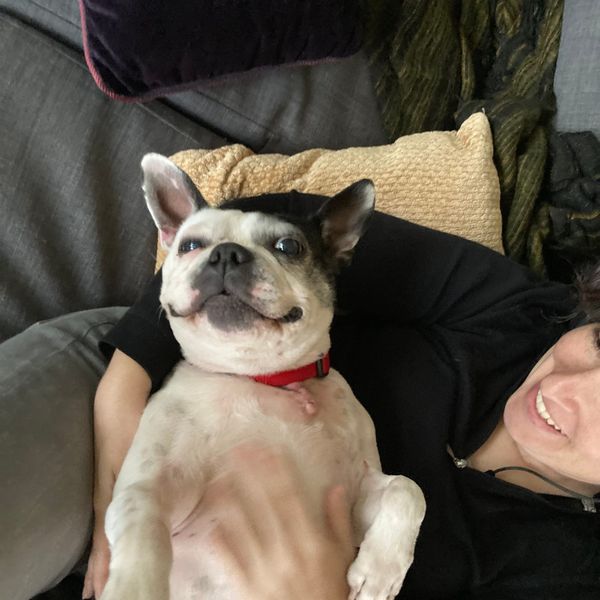
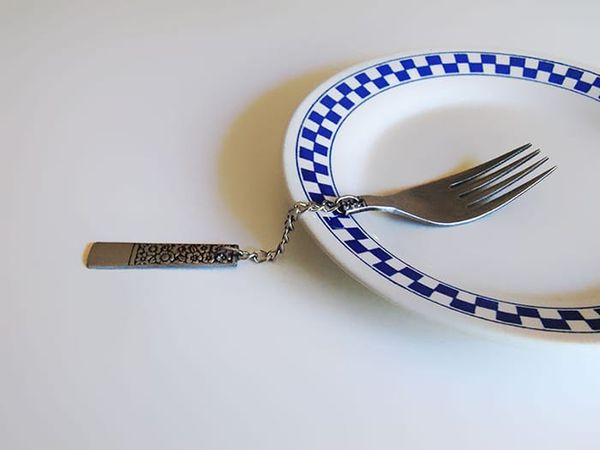
Breakfast Item


Hey all, I'll be in Seattle July 20-26th. Hit me up if you don't already have plans to meet.
(Heavy post, fair warning)
It's a good suit.
Easily the best I've owned. Well fitted and good for virtually any occasion where one needs a suit. In many contexts for many people donning it confers an aura of respectability and trust, like some kind of powerful artifact. I wore it on the plane to avoid wrinkles. I'm waved through customs and border security on both sides without more than a fleeting glance.

Concordia of the South Hills was originally built and owned by B'nai B'rith, one of the many now largely defunct Jewish service organizations that now principally serve as a fundraising arm of the state of Israel. But years ago its South Hill chapter was led by my father in-law (or outlaw, if preferred; I prefer beau-père) and was among the many ways in which he was trying to find and build community. This instinct was reinforced after reading Bowling Alone (2000), a book that is part of a genre that exists today in every third op-ed by David Brooks: a significant erosion in group socialization in the United States is terrible but it's definitely not caused by the well explored alienating nature fundamental to our economic system.

Concordia was envisioned as a community for aging people, particularly the not-insubstantial Jewish community of Pittsburgh. Several Christian versions of this concept exist and they wanted one tied to their religious services, serving kosher food, etc. The experience of staying in one of the guest suites for a week left me with the impression of student housing - liminal and vaguely haunted.
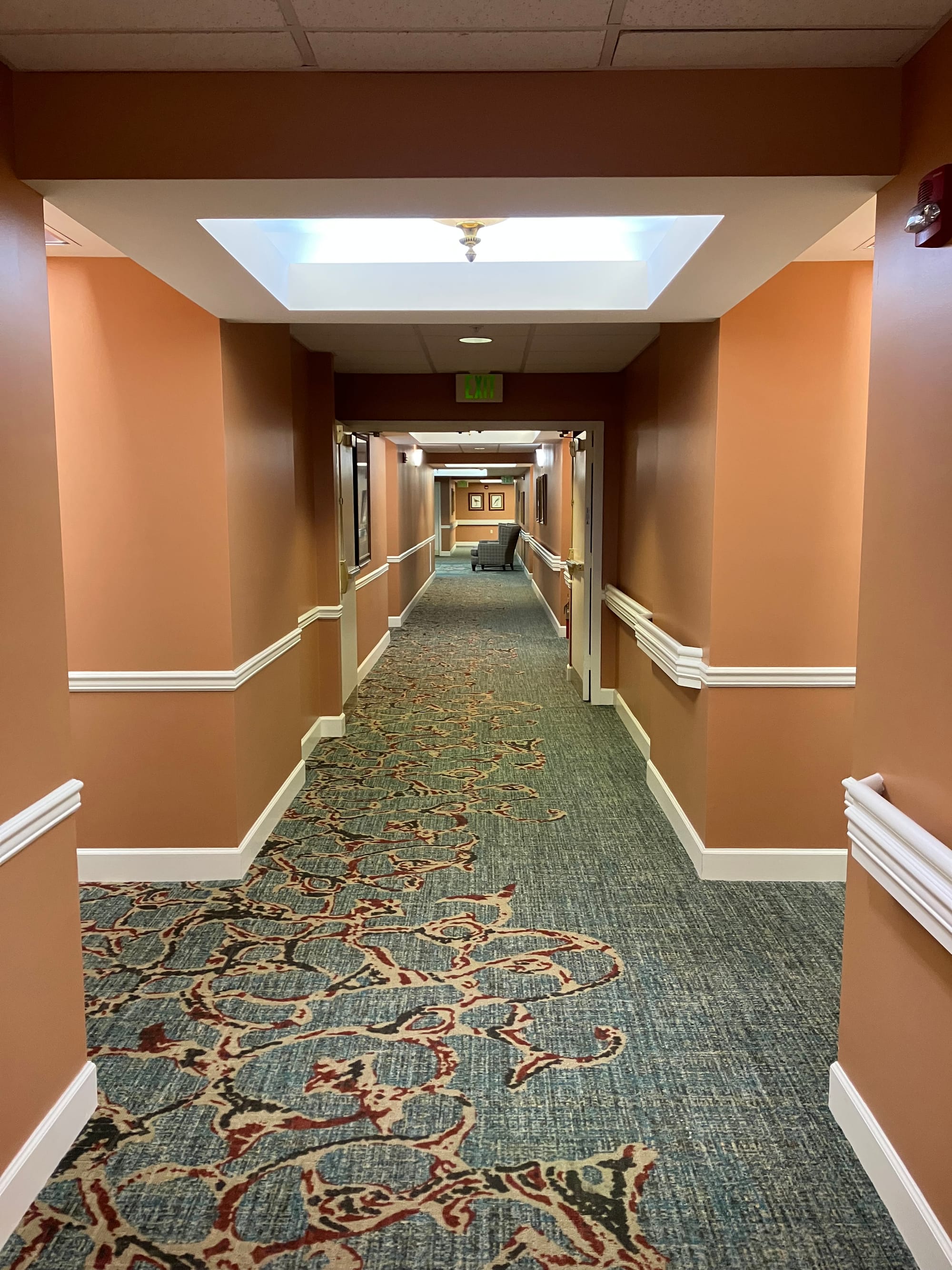
On arriving, I passed several women in the large common room watching an episode of Law and Order: SVU, a show whose principal entertainment value is in the gruesome and preposterous nature of the crimes depicted and the quips best viewed out of context. The episode was set in a retirement home.
A sign informed guests that they were welcome to coffee and a "breakfast item" every morning. The latter took the form of packaged pastries, processed in a way that left little doubt they would outlast our visit, and English muffins that had clearly been bought en-masse from a supermarket and put into Zip-lock bags some indeterminate time ago.
The bare-minimum human health class commonly required in US high schools will cover diet, sex, procreation, and many other related topics but not death. You get to learn about how people die of old age from pamphlets and, sometimes, lived experience.
There is no dying quietly, naturally, and painlessly. The choice of "naturally" - which is to say without drugs - precludes the other two. Why we have any expectations that organs shutting down would be painless is a product of sanitized media avoiding uncomfortable subjects. Keeping ahead of the pain requires skill. The choice of in-home hospice involves trusted (but unskilled) family members administering drugs. I would not recommend it. It is absolutely not what I would choose.
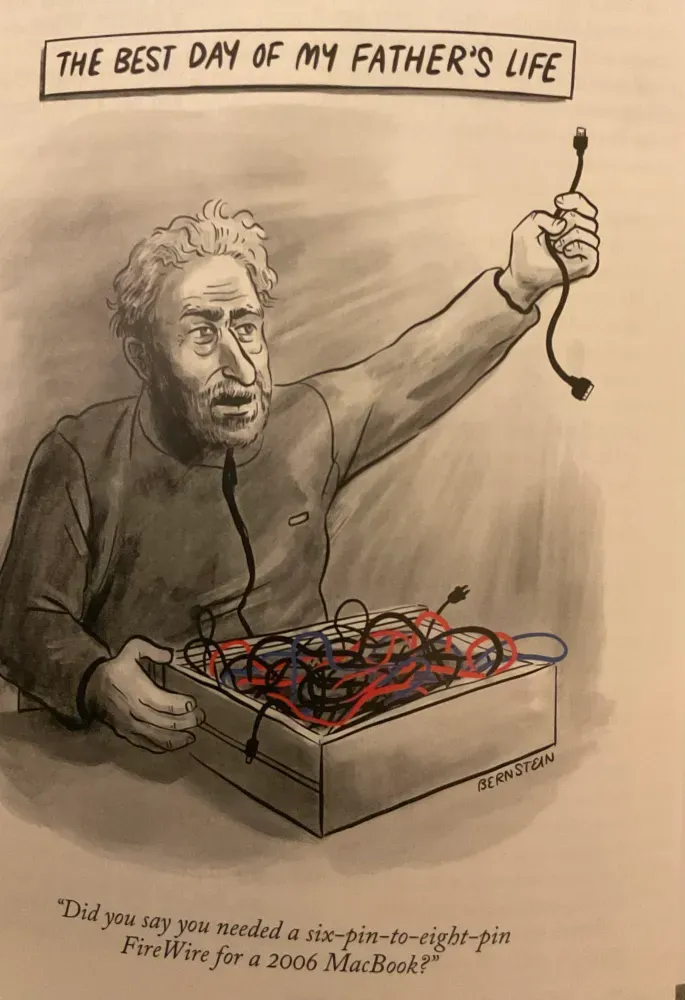
There's been quite a lot of death around recently - both at an unsettling distance and a traumatizing close proximity.
Just before flying to Pittsburgh I visited my barber. His salon is situated in a cluster of shops, a small disconnected part of the great Montreal underground city. You pass by here if you happen to be going to a YMCA French course - your first course in the language. You cross an abrupt socioeconomic boundary on entering. The expensive and bougie shops and restaurants of the downtown bear little resemblance to the street food and discounted clothing, jewelry, and other goods laid out on tables. The proprietors know each other and stop by to chat, most commonly in Arabic, and I get the sense there may be an in-kind trade for their wares/services or a shared discount. The kind I remember from my days working at the mall, where there was a shared discount among staff of different shops.
(sadly the above video showing off the corridor was done pretty close to COVID and most of the shops were not open, so does not do it justice)
My barber and I have conversations. Not deep and familiar but not surface level small talk either. We do not hide our politics. I hadn't visited him in a long time. Not since the Israeli invasion of Lebanon - where he is from and still undoubtedly has ties to. This time there were few words. "Things has been bad" "I hope things get better".
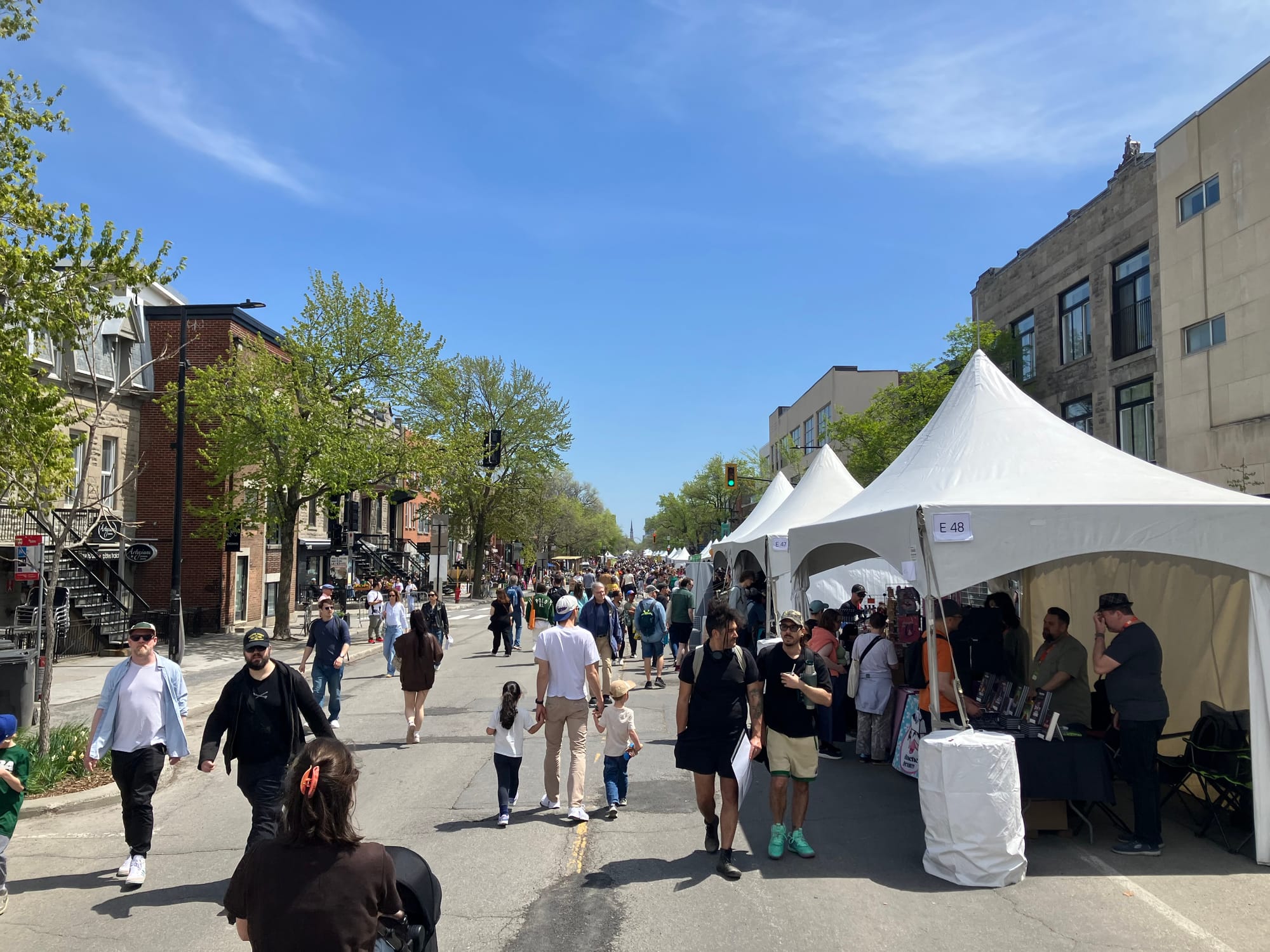
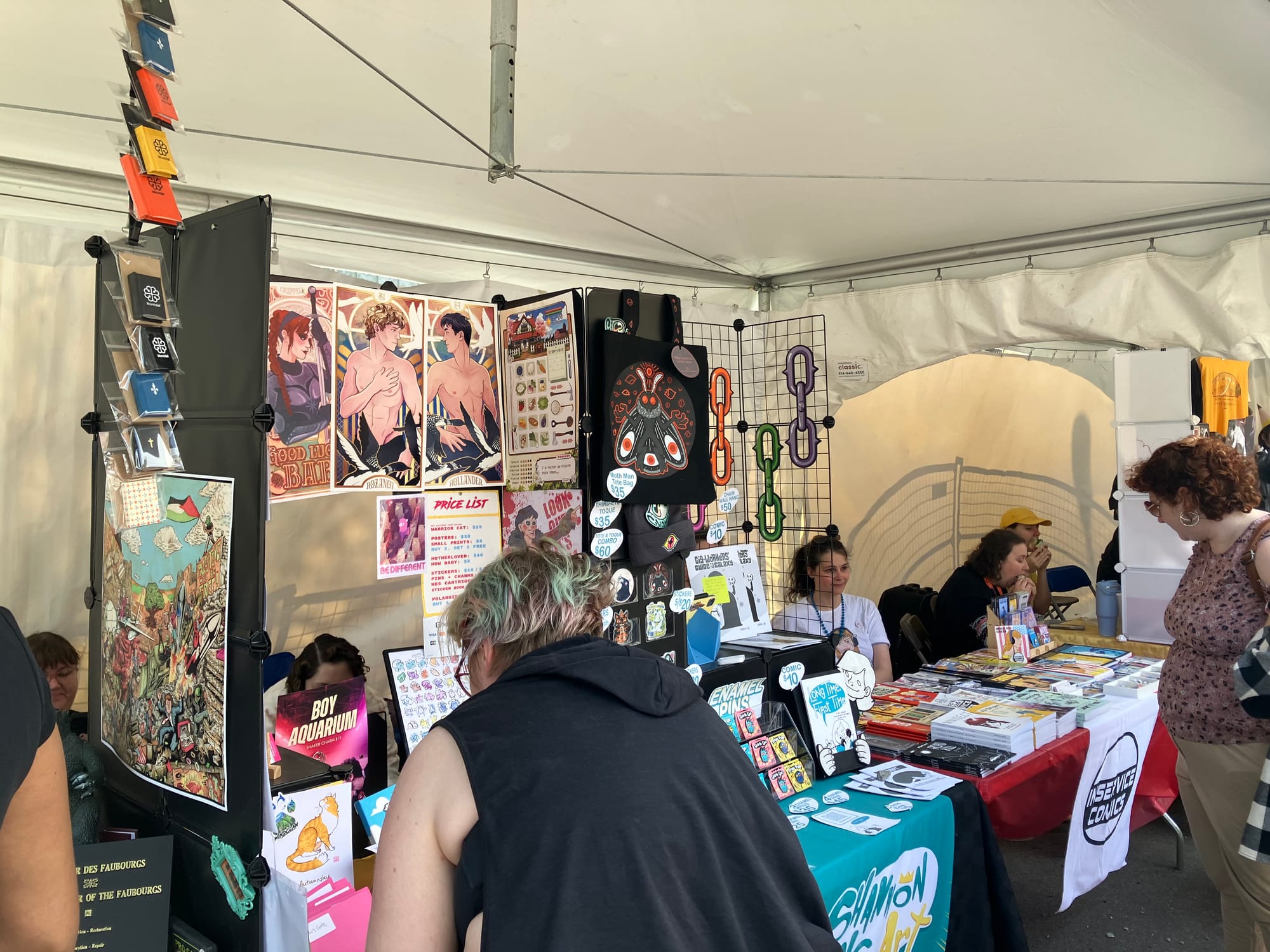
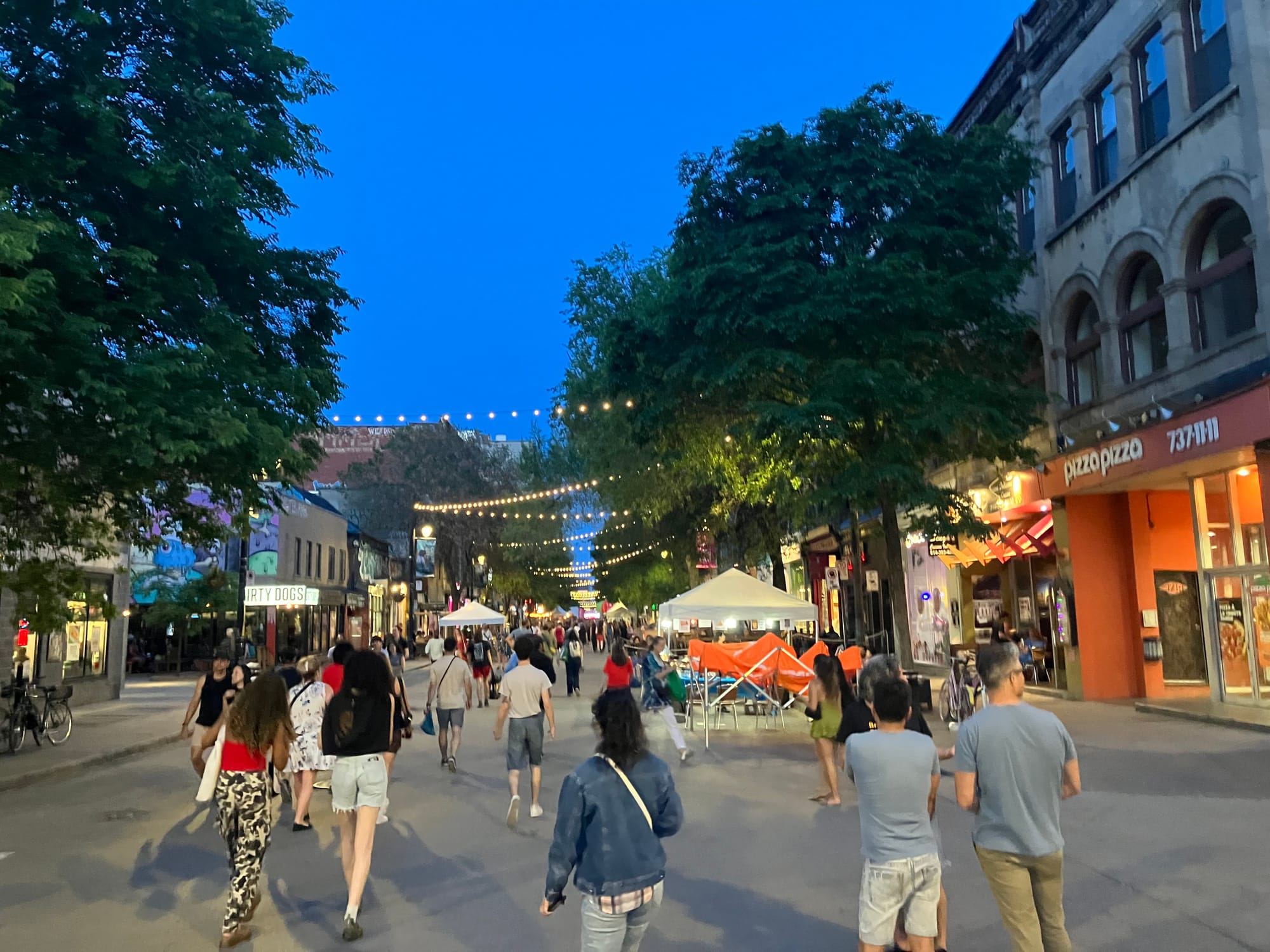
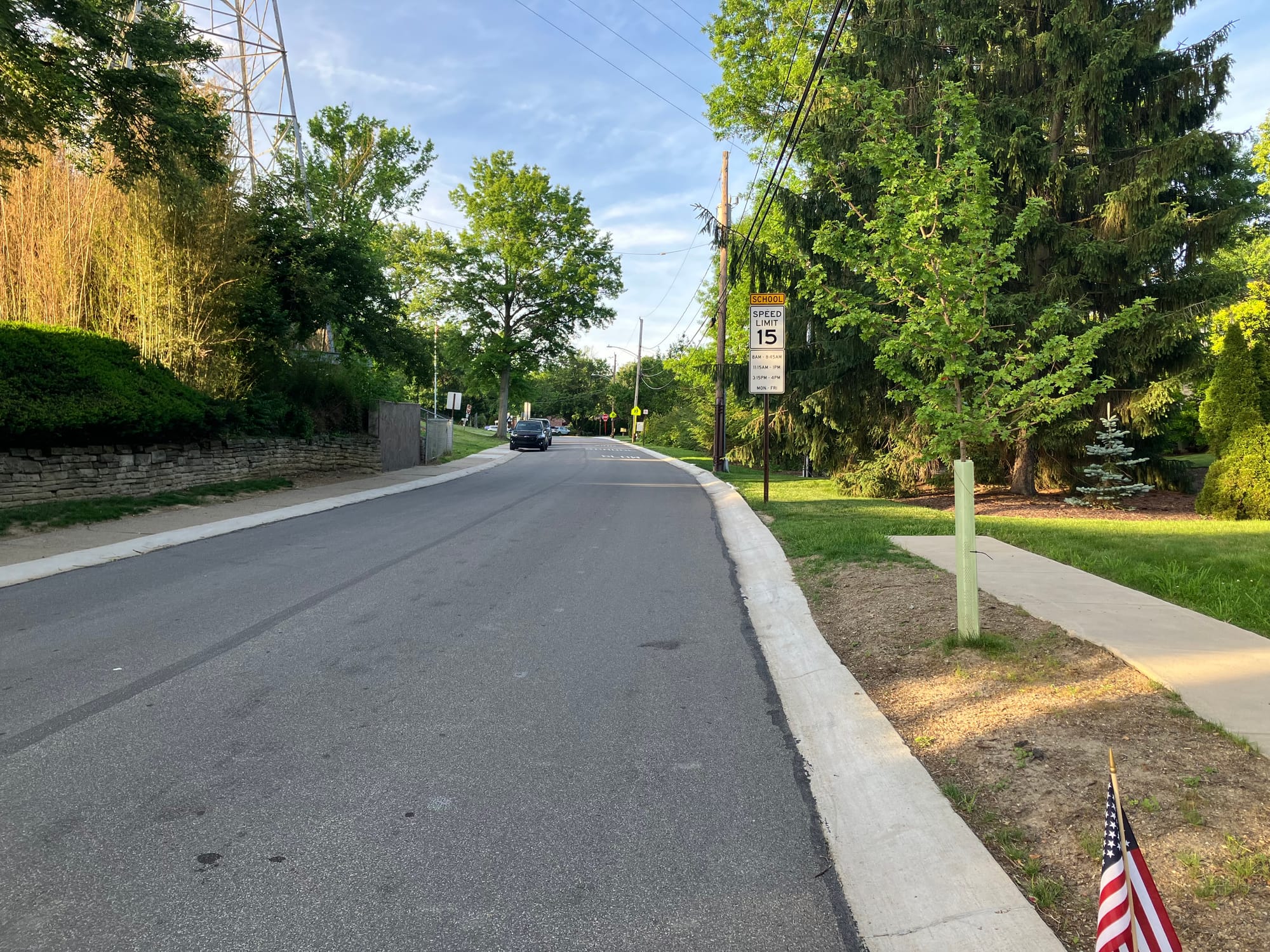
Taking walks in Montreal vs taking a walk in the suburbs of the South Hills, next to a school (lower right).
Death rites in Judaism are well defined, though there is variation in observation. Funerals happen within three days of the death. Having a Jewish person always present with the body is an option - volunteers from particularly observant groups are available if desired (they were not). Immediate family members are expected to rend a garment situated close to their heart, symbolizing that even when it is repaired and they recover from grief, it, and they, has been changed. Today this is done with a broach. Strangers may come up to you to offer condolences. Ritual bathing of the body by a dedicated burial society. Sitting shiva - a week long period of mourning. Eleven Hebrew months of forming a minyan (group of ten) weekly to recite the mourners Kaddish (a prayer). There is an enormous amount of logistics despite the fairly good preparation by my beaux-parents. My contributions principally involve making sure everyone is fed and there is always someone to talk to, to listen, and to hold a hand.
Eventually there is nothing more to do and nothing more to say. We fly back home and consider how we will have the opportunity to compare and contrast this experience with my father's memorial in July. It has been kind of a hard 12 months.