On Optimism

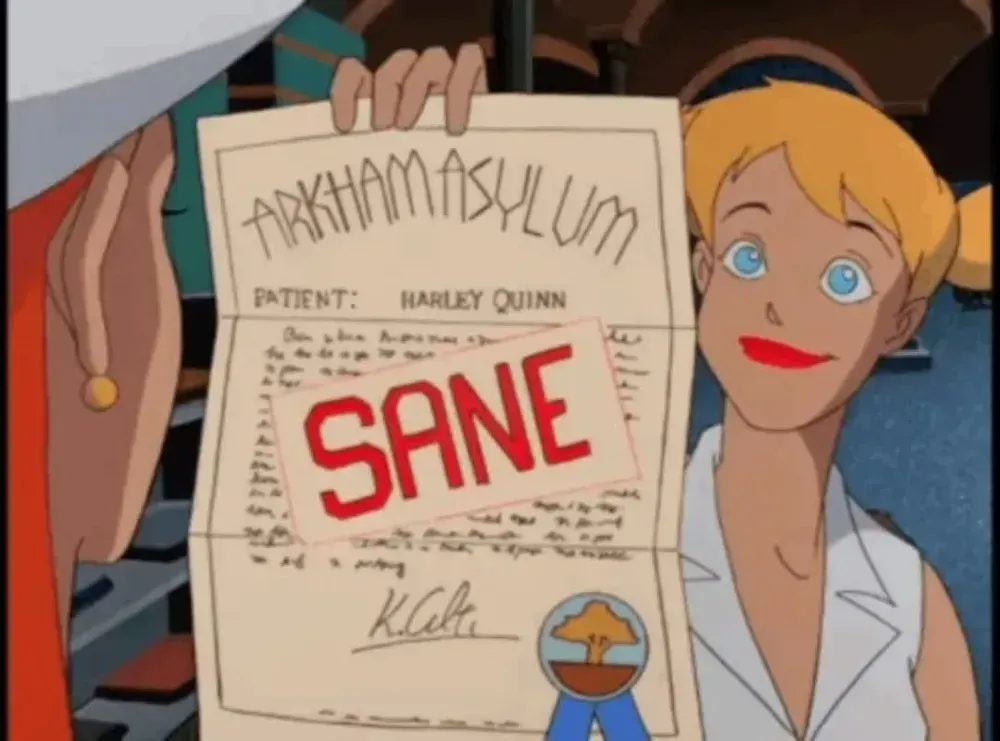
It took me until the end of the visit to realize I was away from Seattle for two full years - longer than any other time in my life.
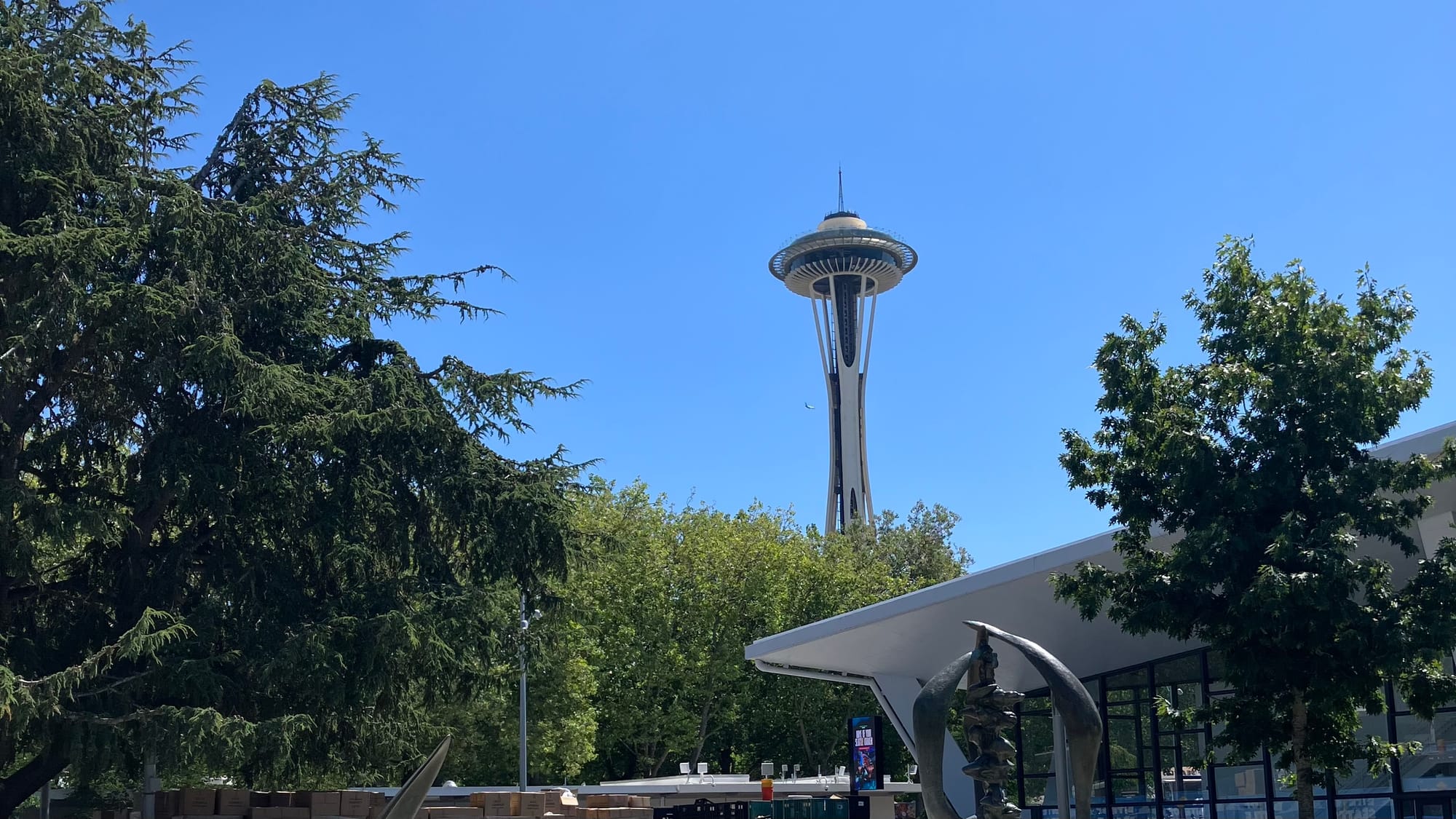
It was wonderful to see everyone - both all the family who had come in to see my dad (and his brother) off as well as still my dearest friends. If I missed you, please visit Montréal! The fall is the best season by far.
It's hardly novel to say that being away from a place for a while offers a new perspective. You can certainly see how the city has changed (dedicated bus lanes, supermarkets are fortresses with guards), or not (bike infrastructure), because of the contrast with not-so-recent memories.
But the most stark change was, surprisingly, the people.
Family is less surprising - particularly the cousins you only see every few years. Older doesn't necessarily mean worse, or better. The little girl you knew is now a legal adult. Your aunt requires you to reintroduce yourself to her every so often but she is fortunate enough to be unbothered by this and, after the first time, you also become basically unbothered by it. You've seen the other way that can go. You barely see your brother. You believe that might be intentional, but could easily be everyone's general reluctance to take lead on logistics - who wants to have that responsibility? You want to be the one organizing all this? - resulting in missed opportunities.
For friends, the differences are more subtle at first.
It's the subtle sense of dread you hear from one friend, who will need to go back to their job as a social worker after having a child after only a few weeks. There's another in public health, responsible for organizing and administering clinical trials; her job is being eliminated in a few short months. The thanks you get from yet another friend, who had been able to use the occasion of meeting up with former coworkers to ask for help finding a job. The reluctance to work for larger companies has eroded with the job market prospects. Even those you know who are best situated - socially and financially - want off this train, because that well paying job now has the tech-company-standard burnout level workload found everywhere.
"I just don't understand how you can be an optimist!"
It is strange to be called, and calling myself, an optimist after spending most of my life firmly convinced I was a pessimist. This view was routinely confirmed by others. Generally speaking, I would consider the worst case scenarios regardless of the topic. I was anxious and frugal to the point of miserliness.
That largely hasn't changed, but in the broad scope of world events and humanity in general I am actually optimistic for the future and I will now tell you why.
People have never been more angry
Anacortes is a city of a little less than 20,000 people. The sizable nearby oil refineries are the largest employer in the county, which only started to vote Democratic with any regularity after the election of Barack Obama.
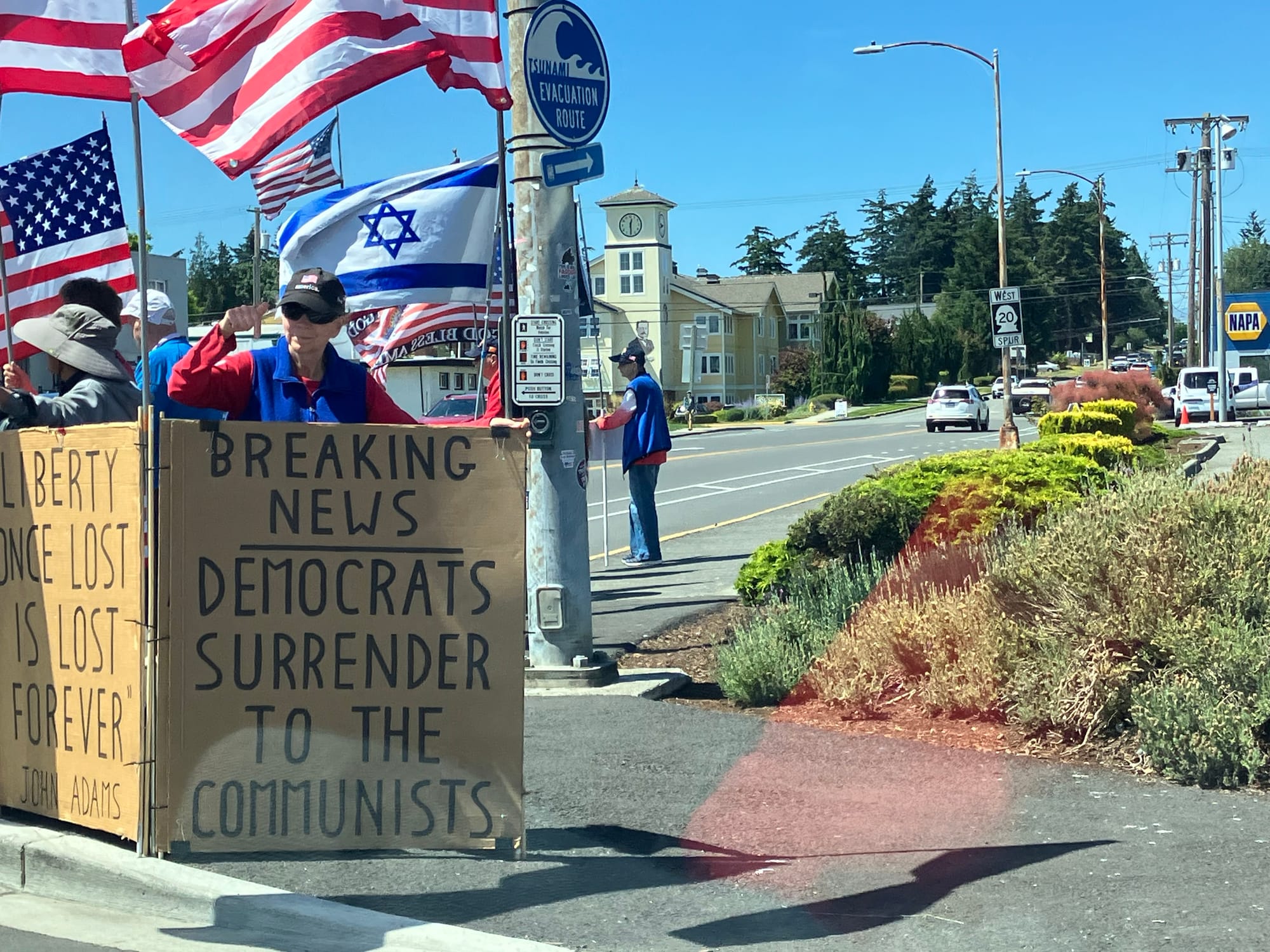
As we left the city, we encountered a No Kings protest.
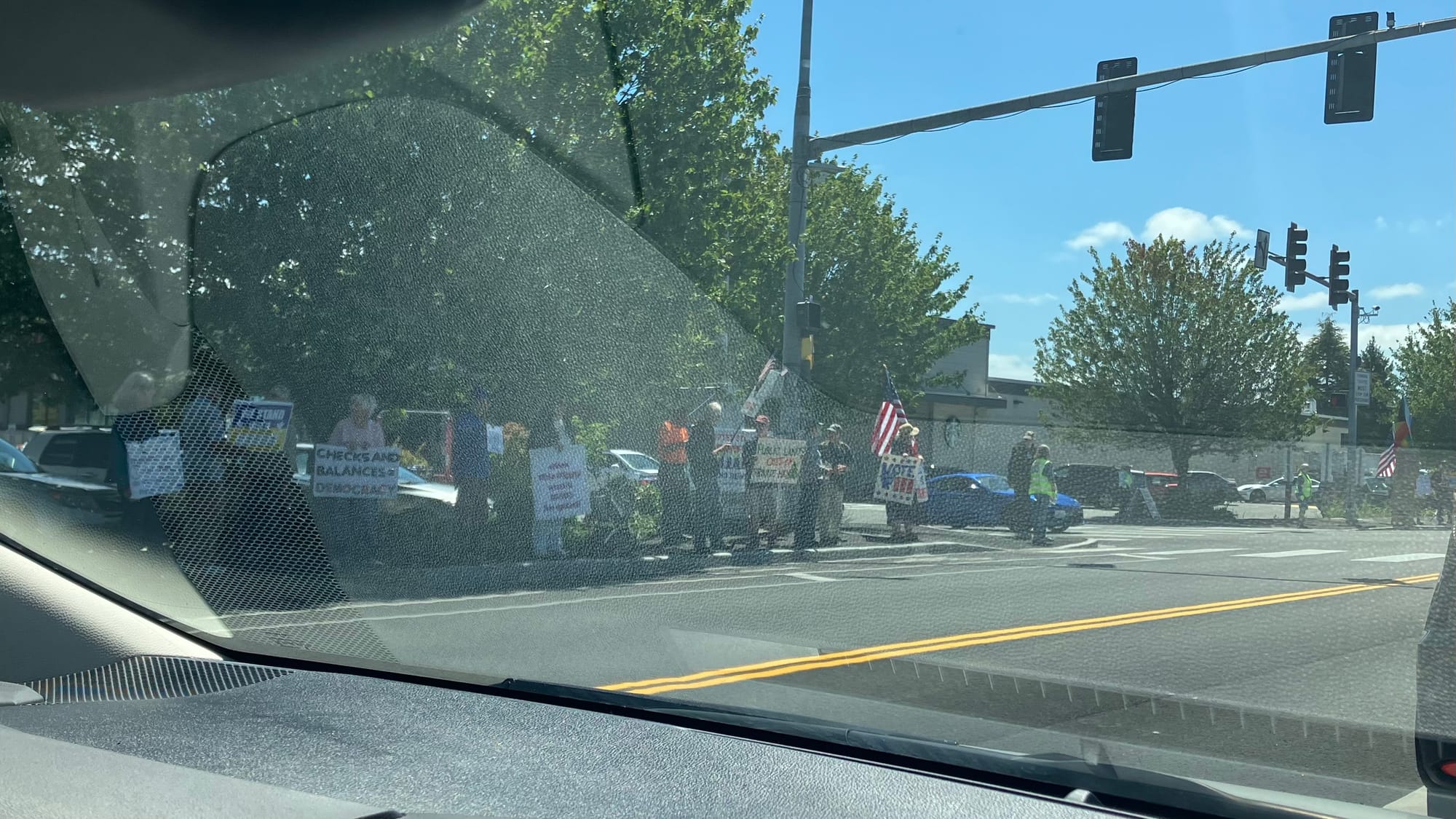
There were 40 or so people holding home-made signs. The median age of the participants could have been 68.
I've already written about regular American liberals becoming increasingly radicalized as the copper wiring is pulled out of US state capacity and the already sizable gap between popular will and political effect becomes an impossible to bridge chasm.
It isn't just Donald Trump they despise.
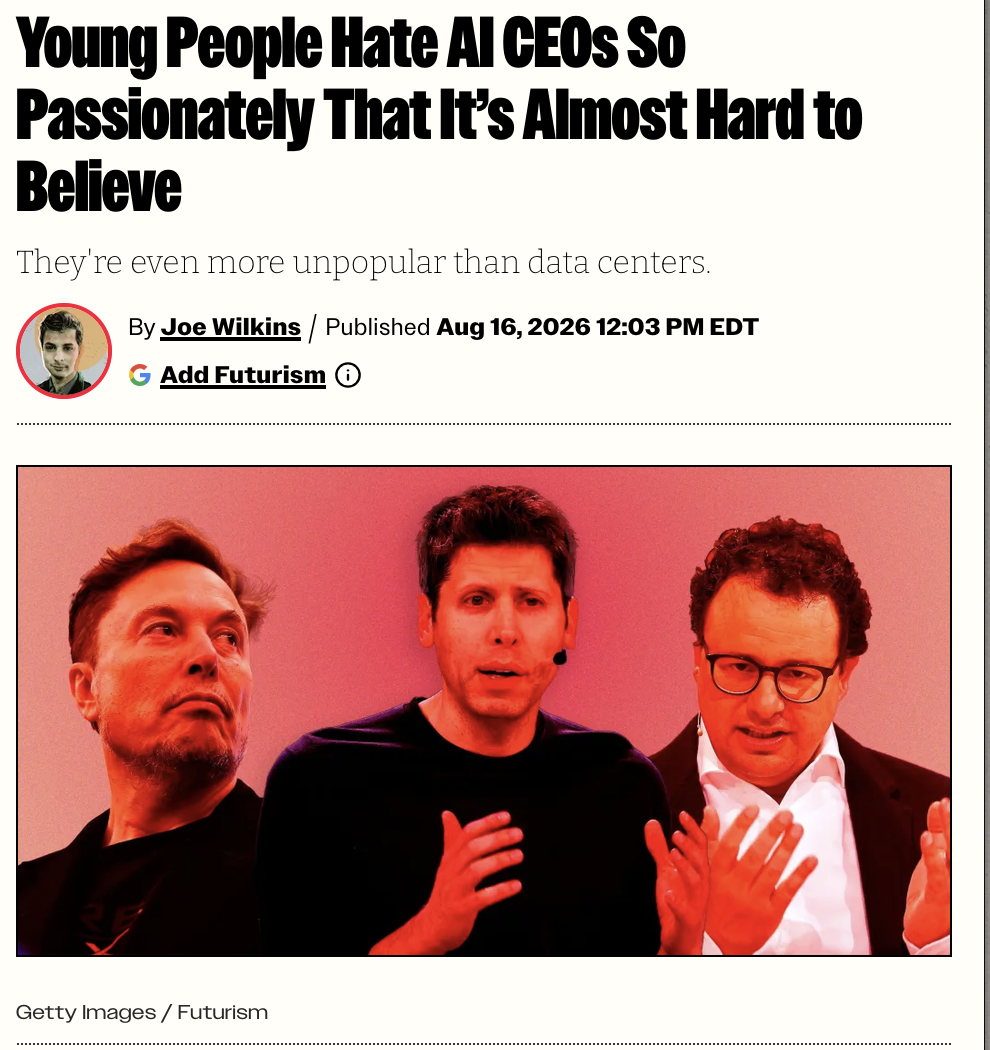
The wealthy elites made a grab for power, allying themselves with Trump, confident this was part of a grand rightward realignment. And hey, if it wasn't, the Democratic party would still accept their money and play ball.
What they didn't consider was the Democratic party was long due for its own realignment.
"Democrats surrender to the communists"
To dismiss the recent accomplishments of the left and center-left in the United States is to make a grave error. The media lavished attention on the Tea Party movement in 2010 when they defeated four incumbent Republicans. This year, left wing candidates have unseated almost ten, with numerous additional close calls. This is despite being out spent by anywhere from four-to-one to as much as ten-to-one. The Democratic Socialists of America grew from 50,000 to 120,000 members over the last eighteen months. The Democratic Party is currently mortgaging its headquarters and asking its vendors to wait on cashing their checks until after the midterms.
Because so much of the electoral system of the United States is designed to contain, impede, and prevent mass politics from translating into systemic change, it is critical to understand what it looks like when that does happen. I've previously written about how the defeat of the vile southern planter slave economy was decades in the making - after the Annexation of Texas, Bleeding Kansas, Dred Scott, and John Brown's raid on Harpers Ferry. Every outrage of the last twenty years - Bush v. Gore, the 2008 financial crisis, the Iraq War, the Muslim Ban, January 6th, the continued ICE murders - each of these radicalizes more and more of the population; it primes them for the next crisis. The happy delusion that US politics is extremely complicated and that conservatives simply have different beliefs worthy of respect is running into reality - it largely isn't and they definitely do not.
And on the topic of running into reality...
The decline and fall of petro-empire
As a general rule - from the Assyrians to the British Empire - if you were to pick a side in a conflict and decided to be against the imperial power, there is an exceptionally good chance would find yourself on the more morally defensible side. This is not to say every anti-imperial movement is worthy of unquestionable admiration or criticism of them is unwarranted, only that by virtue of being anti-imperialist they possess at least one quality worthy of respect.
Since before any of us were born, at least since World War II, global empire has been inextricably linked with the energy and resources extracted from fossil fuels - above all petroleum. Imperial Japan attacked Pearl Harbor when the United States instituted an oil embargo in 1941 - believing, probably accurately, that it would restrain their imperial ambitions. It effectively replaced gold as the bedrock resource for global finance in 1971. Petroleum infrastructure and supplies are among the first targets in modern conflicts and a sizable number of those conflicts are at least partially related to the control of that resource.
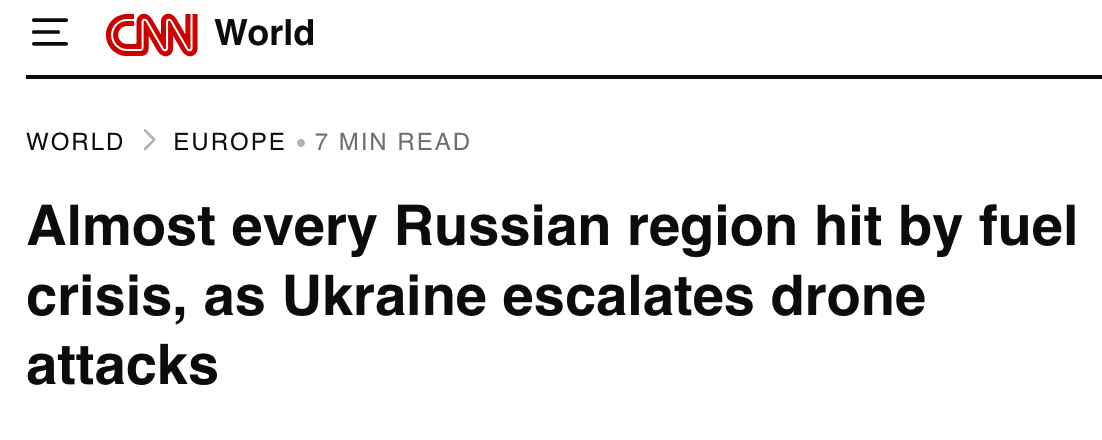
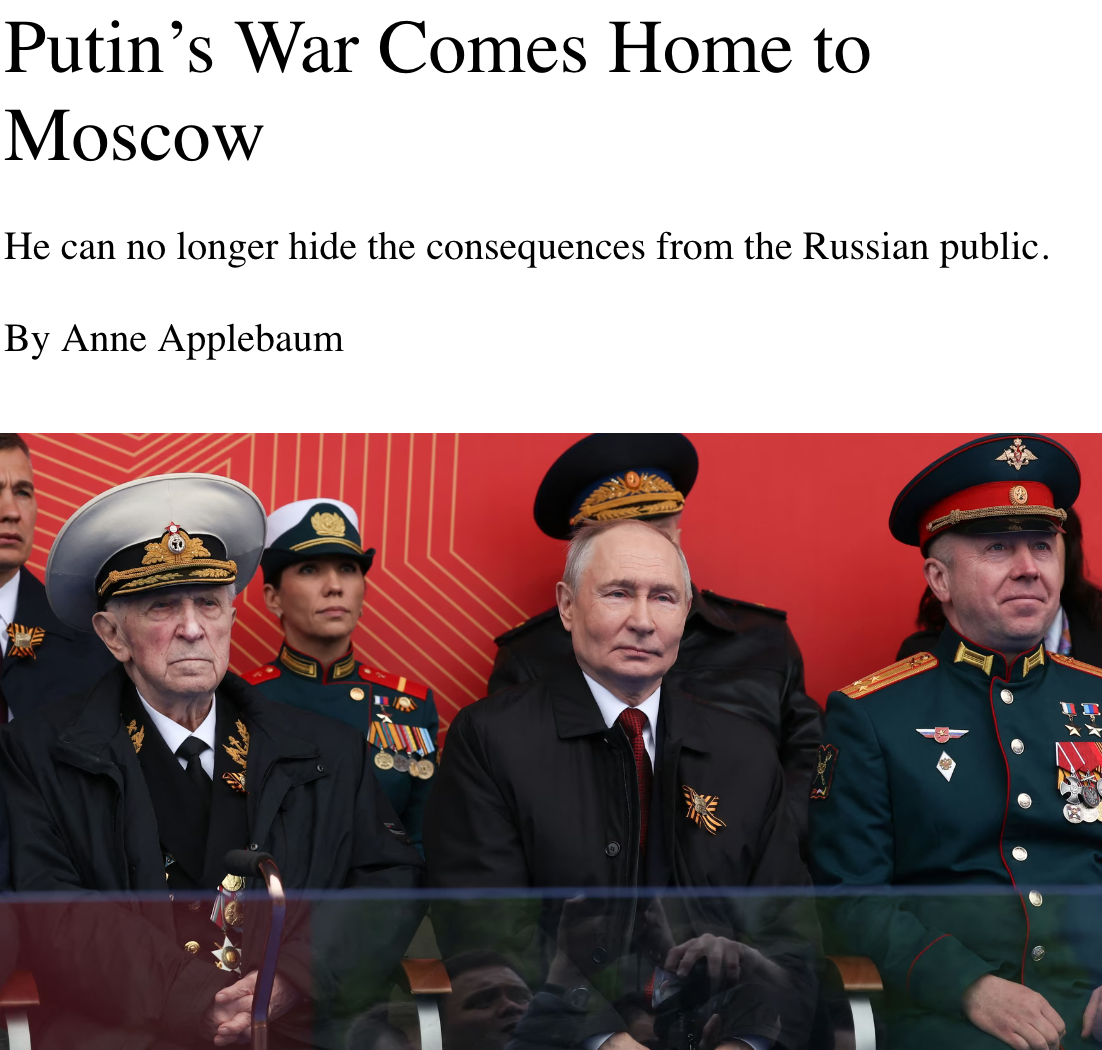
And the two greatest petro-empires in the world are currently embroiled in wars which - even if they somehow manage to claim victory in some fashion - will leave them considerably weaker than before they started.


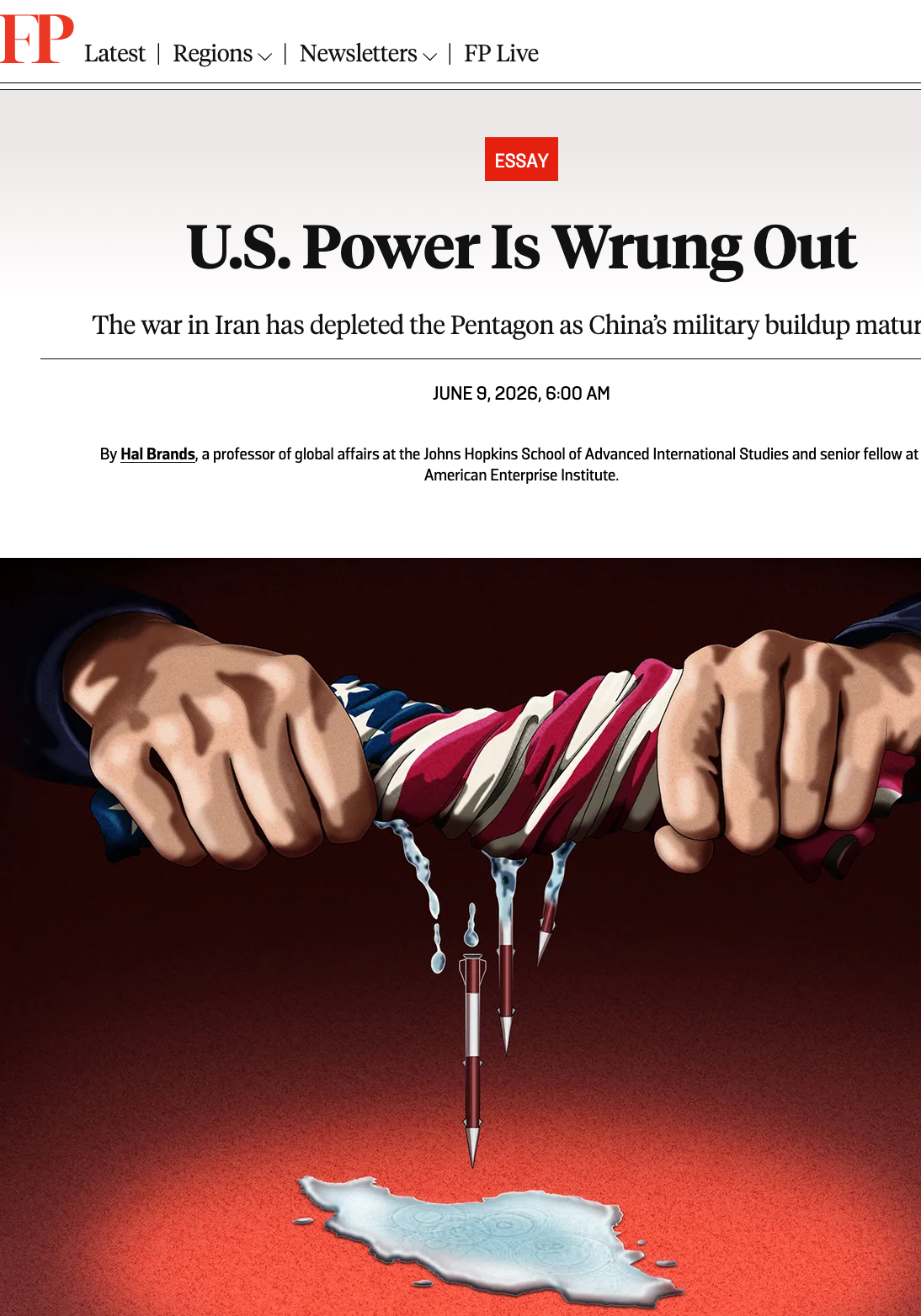

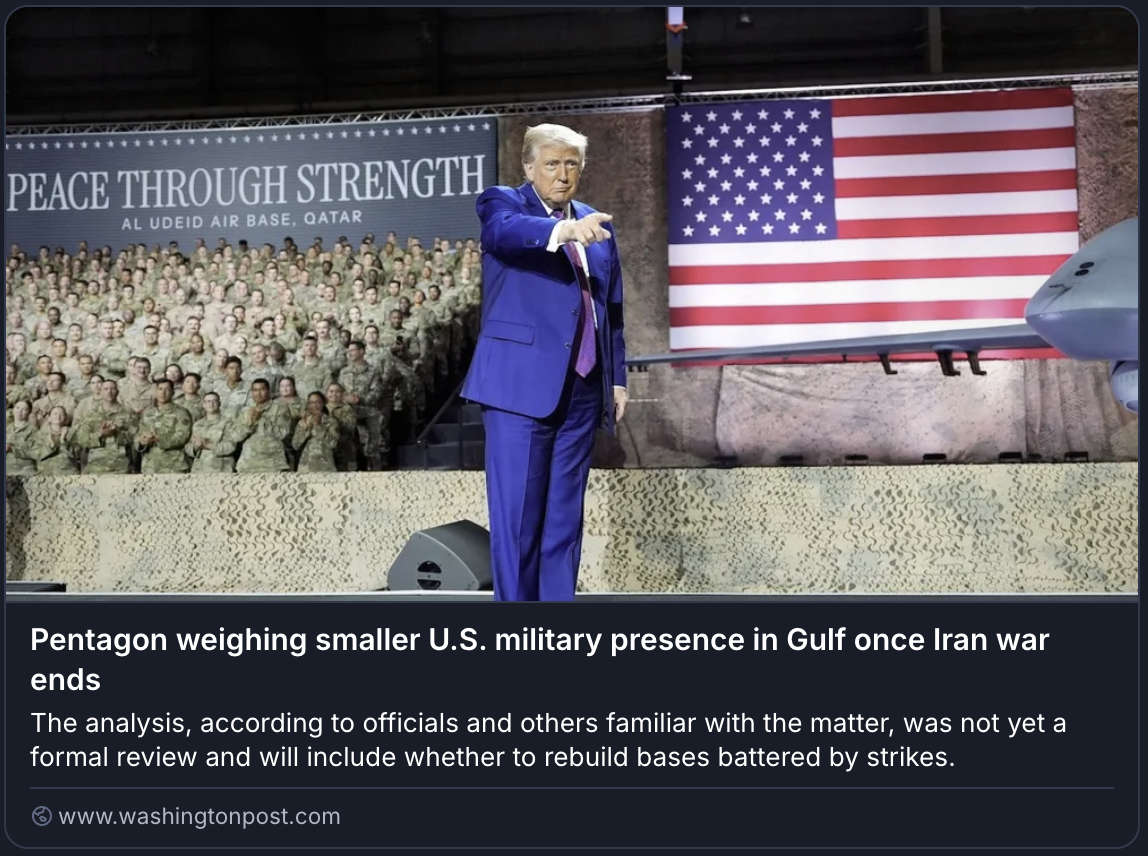
Petro-empires are empires, and, worse, manage to consume a resource that makes the biosphere less inhabitable for everyone else. It's certainly not fun to be part of one (US, Canada, etc) while it is in decline, but it does provide opportunities to become something better. The people Great Britain, as a whole, are in a better state since the disassembly of the British Empire. Certainly its former subjects are better off. I wouldn't chose to live in the Soviet Union, but if the choice was between that and a peasant under the czar, you would be a fool to chose the latter. Nor would anyone sane choose dying in a mine in Roman Spain or the Athenian mines of Laurion:
Shafts were driven down into the ground and galleries opened where slaves, chained, naked, and branded, worked the seams illuminated only by guttering oil lamps. An unrecorded number were children.
Spanish, French, Japanese, Ottoman, Portuguese, Danish, Chinese - the average citizen is usually better off after the empire falls. The speed at which this occurs is a question of both circumstance and political adaptation. Building up alternative institutions and popular movements (and linking them together!) is critical in this moment.
The green shoots accelerate
Petroleum is kind of incredible. It's energy density is still unmatched, sure, but look around the room you are currently in and try to find an item that doesn't in some way use petroleum. You are probably wearing some petroleum right now. If you are eating, nitrates from petroleum extraction almost certainly made whatever it is considerably more abundant and affordable. And when the price of it potentially explodes in the next twelve months, it will be a combination of a closed Strait of Hormuz paired with an El Niño accelerated off the charts by climate change.
OH, PETROLEUM / YOU'RE THE TOP PREDATOR NOW / SOVEREIGN, LOVER, LIAR
Why hasn't the price exploded already? What if I told you that one of the largest oil importers in the world had been able to cut its consumption in half?
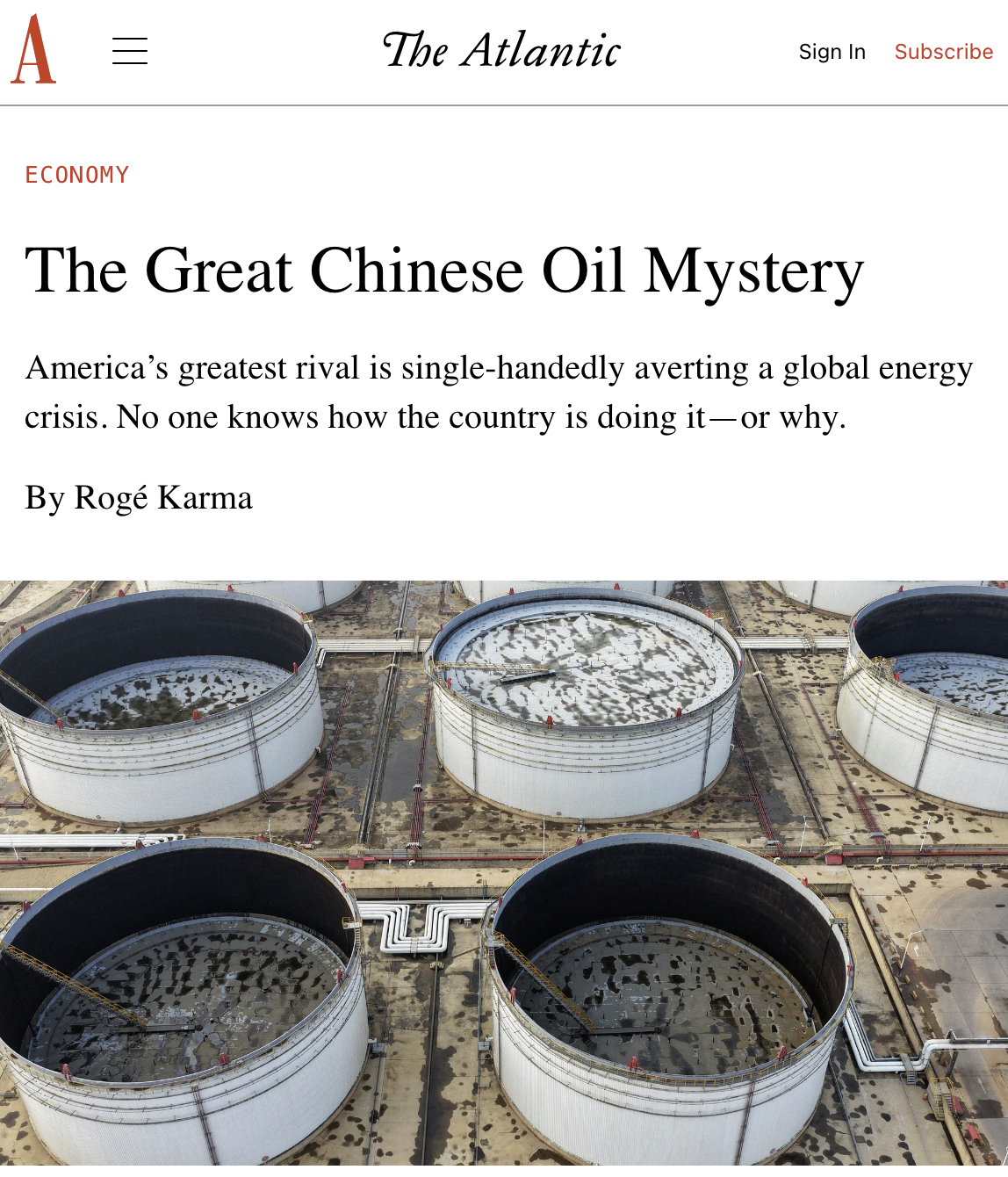
China has this one weird thing where they read their Marx, get to the part about overproduction, and stop reading before it discusses why and how it causes crises in capitalism.
Instead they just do it. Industrial policy make machine go brrrr. They've done it for housing, drones, electric cars, and - most critically - for batteries and solar power.
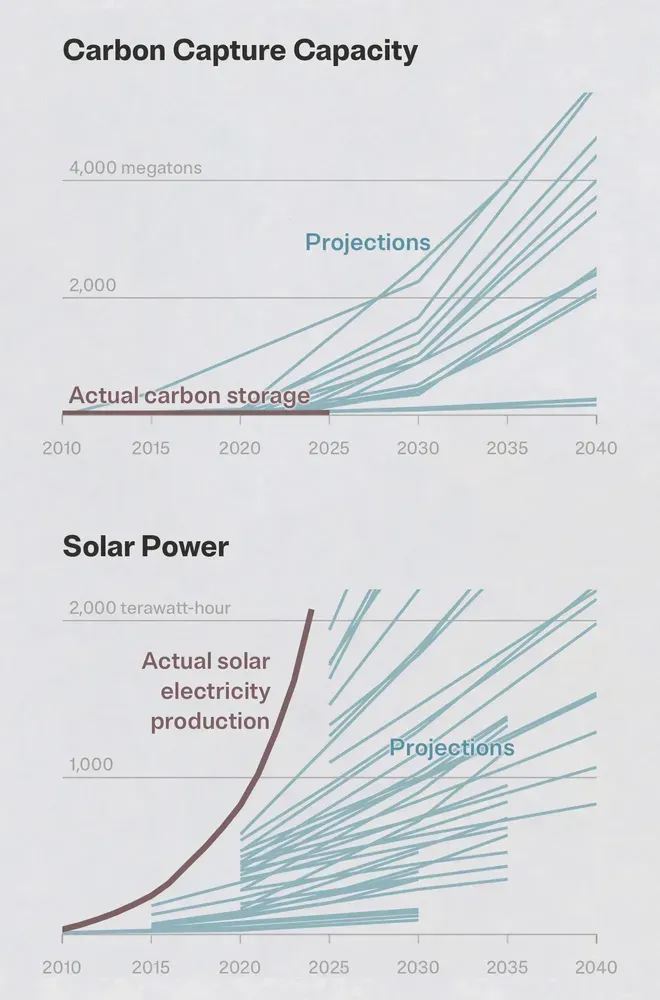
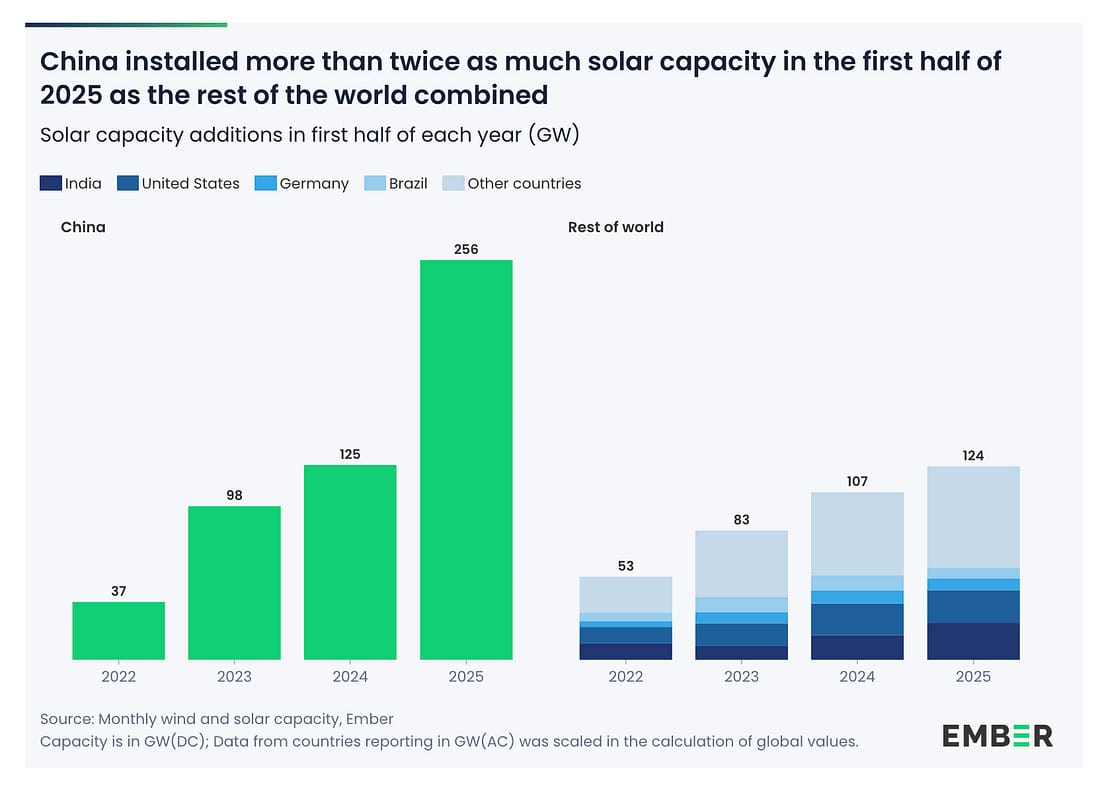
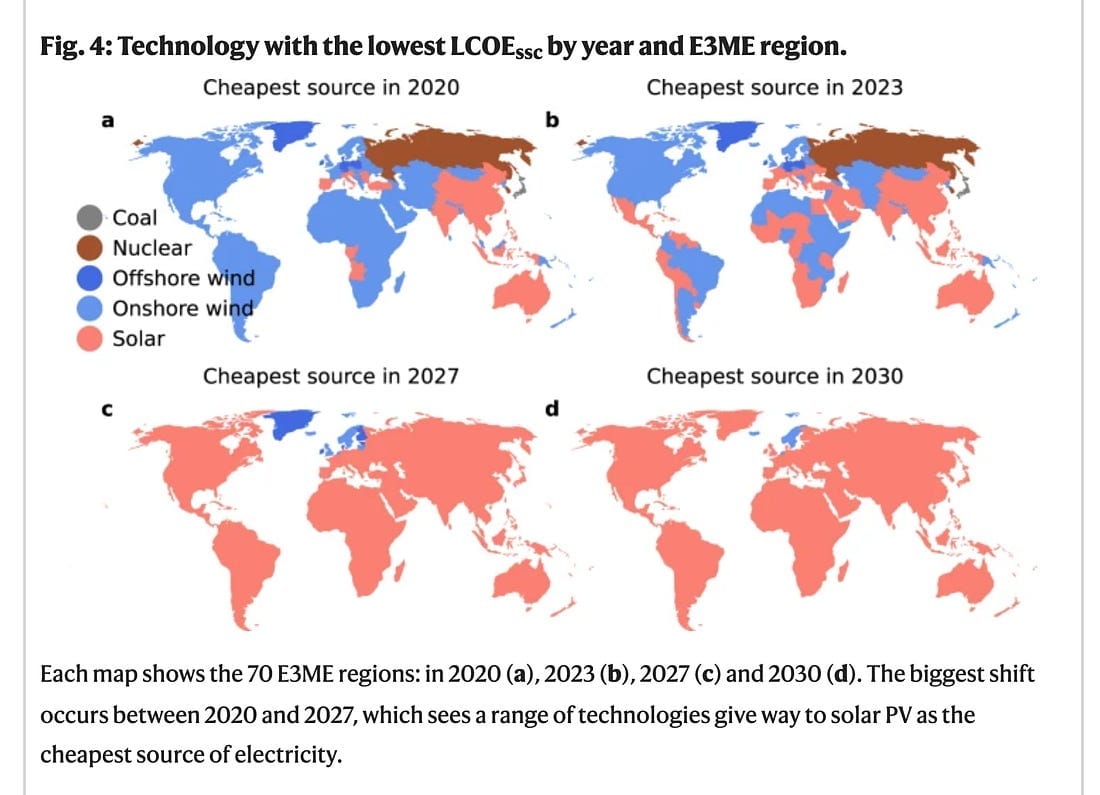
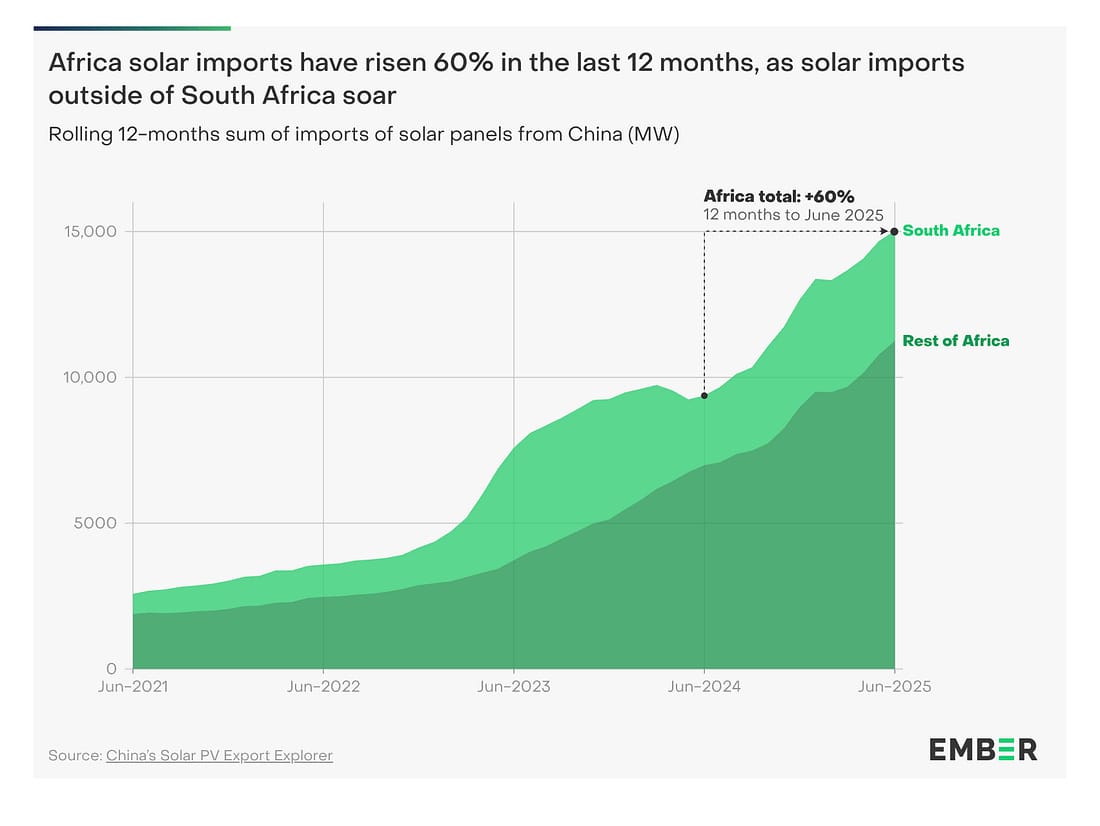
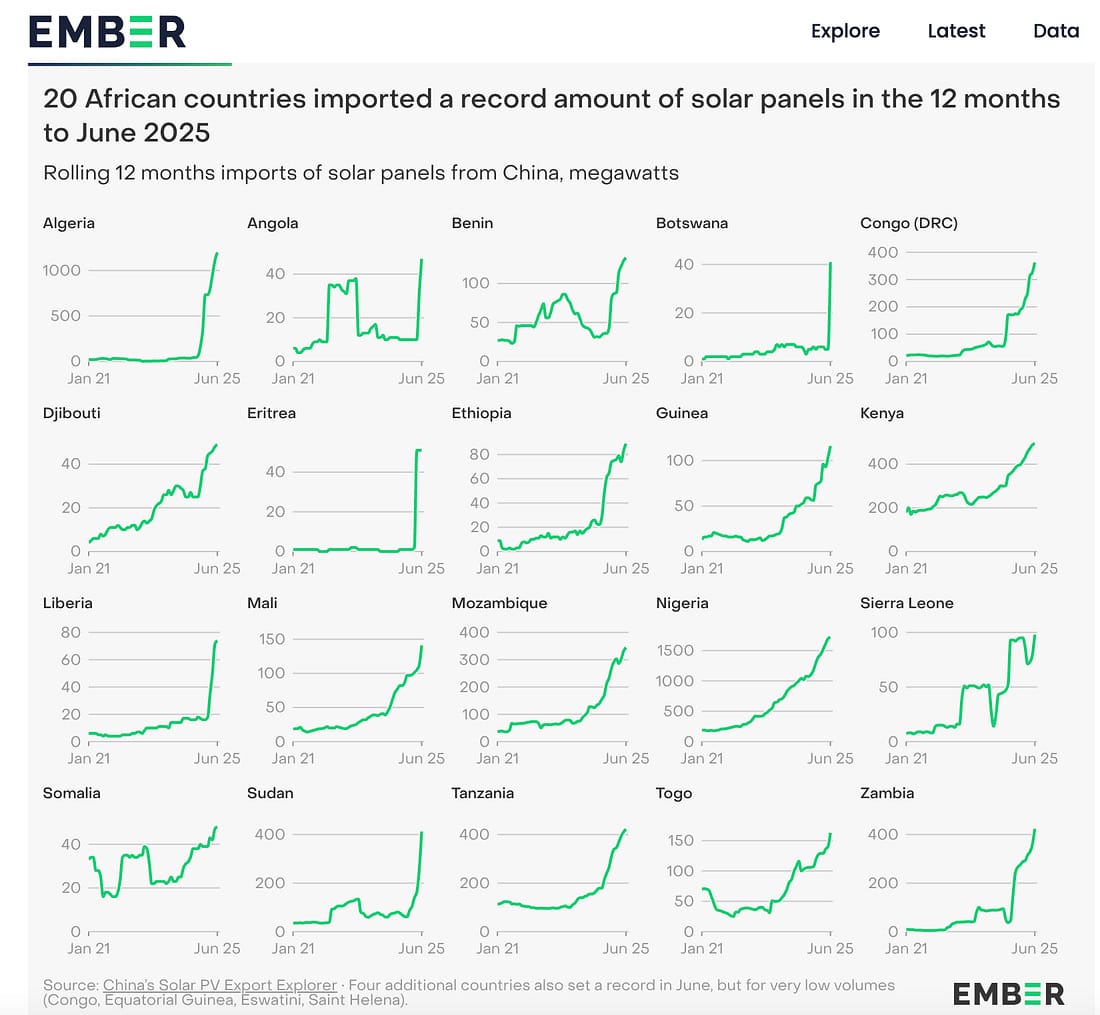
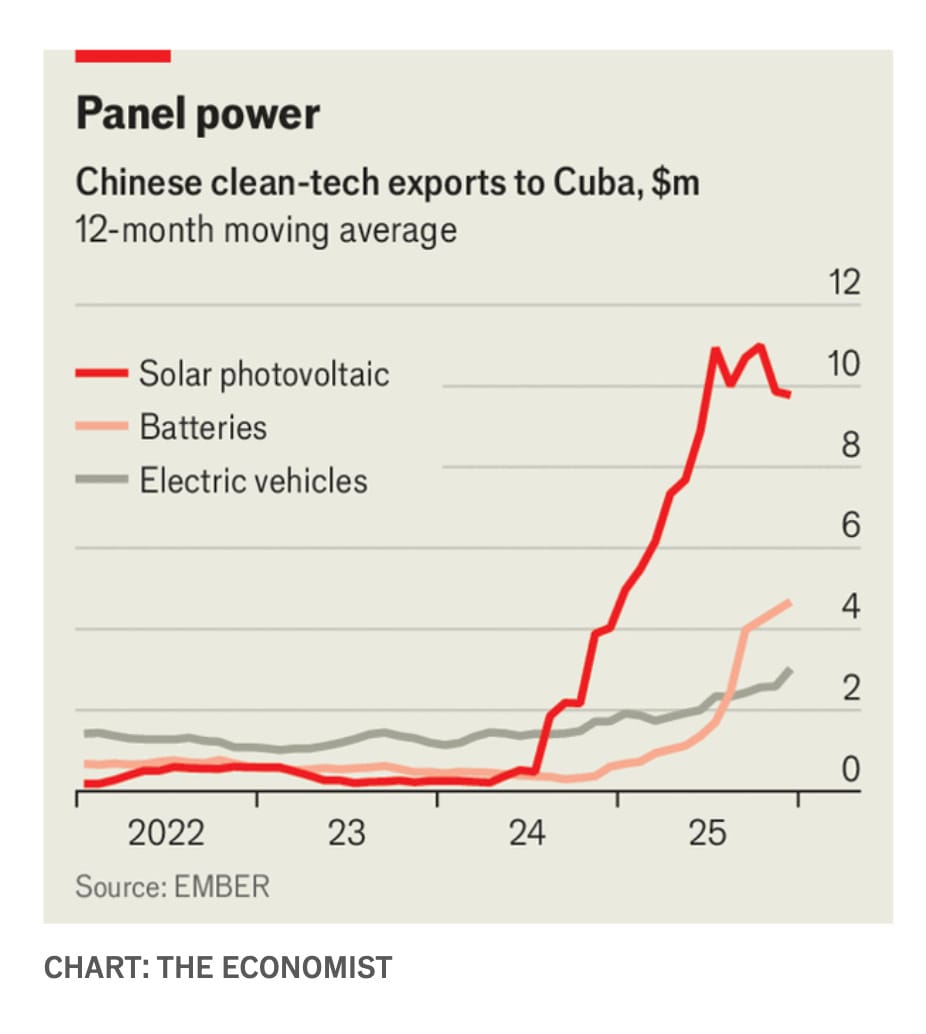
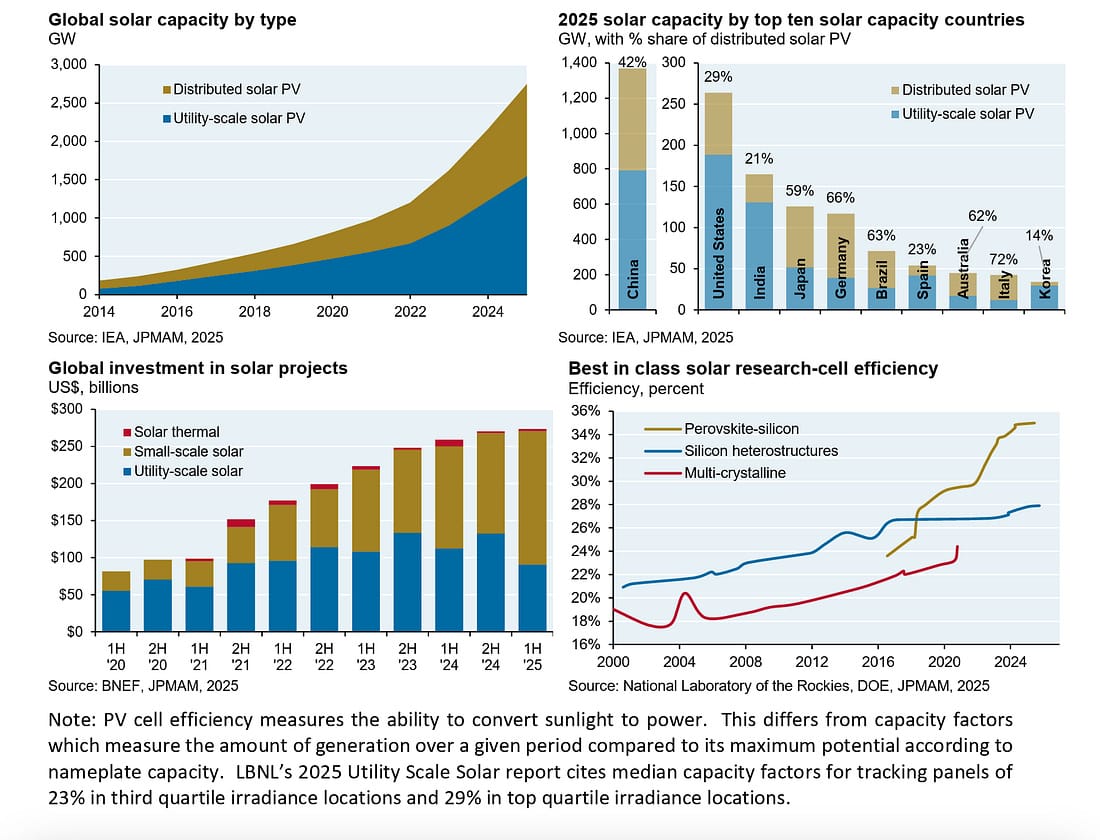
Adam Tooze's Chartbook puts this in stark terms.
Take 2024, the heyday of Bidenomics and the IRA. In that year, the US installed a “record-breaking” 50 GW of solar (all in, distributed and grid). On an annualized basis that is one tenth the rate of install achieved by China in the first half of this year. Now the US electricity system is much smaller than that of China. But it is not one tenth, it is half as large as its Chinese counterpart. Scaled by underlying capacity, in the best year of Bidenomics the rate of solar install was one fifth China’s surge in H1 2025.
Climate change remains one of the greatest threats to human civilization and human life in the medium/long term. Not only have the last few years seen more movement on climate change than in virtually all of the previous 20 years combined, the effect of large scale distributed electrification is a game-changer in places where infrastructure development has been difficult (take a look up at that chart of solar install in Africa, in particular). Scientists have eliminated the extreme worst case scenario - RCP 8.5 is now considered "implausible". This doesn't "solve" climate change by any measure - the most optimistic scenarios that hold the planet at 2C of warming are also increasingly unrealistic - but we could live in a very different (and much worse) future than what was imagined at the turn of the millennium.
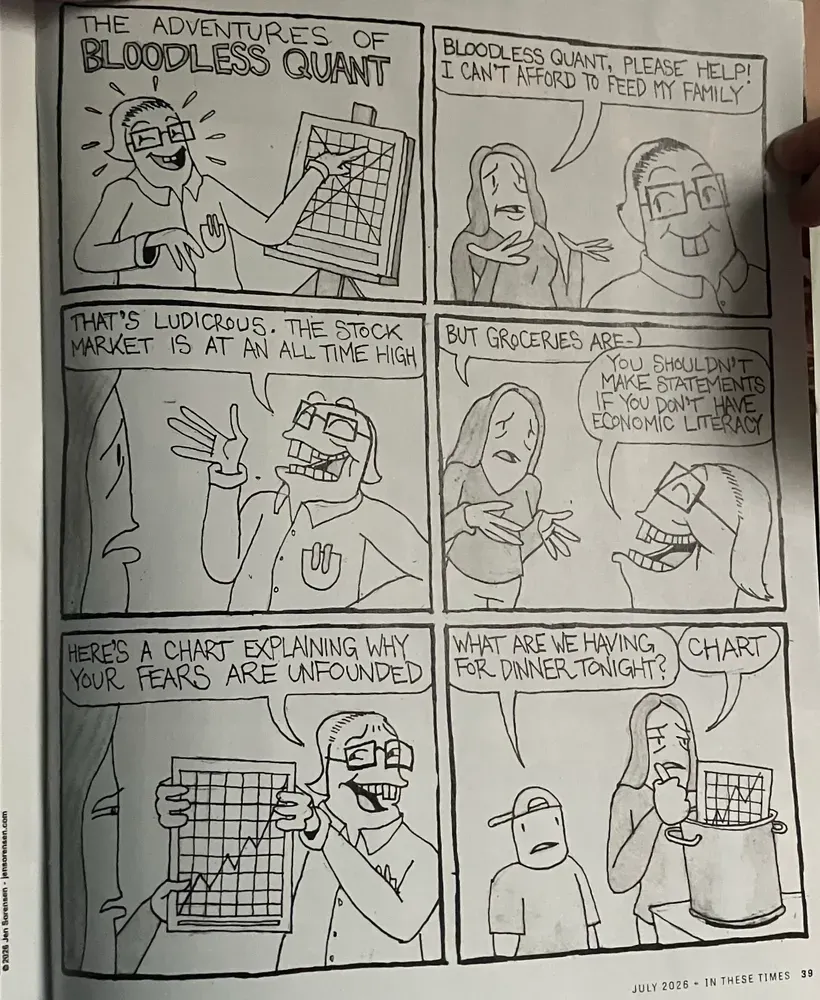
I just posted a million charts so I am obligated to post this comic by Haus of Decline.
My optimism is not a call for inaction. It is not a means to deny or diminish very bad things happening and things getting worse - at an individual, community, or national level . It is not a guarantee of a better future. And it certainly does not relieve you, me, and all of us from fighting for one. In fact, my optimism hinges on collective action to adapt and address the mountain of problems being experienced by so many for far, far too long.
But I see good trends on that front. I would be singing a different tune if the political atmosphere was the same as it has been in the last thirty years.
There was a potential future where none of this happened. A little more financial regulation and moderation before (or even after) 2008, a couple more Reaganite-style Democrats in office rather than Freedom Caucus members, one fewer botched foreign adventure and we could have seen a much quieter, more gradual descent. The Long Nineties forever. Enough of the middle class is bought off to avoid reaction. Everything would be harder and material conditions worsen, but with enough remaining social mobility to blame individuals rather than the system. News and social media consolidation could continue apace. A more politically palatable looting of public investment, slow rolled in over time. More and more of the political economy obscured behind technocratic institutions largely immune to popular will like the Supreme Court, Federal Reserve, and so on. All the while the technology to produce a mass surveillance panopticon is deployed to such an extent that anything more than milquetoast opposition is rendered incapable of organizing. Horse trading on social issues - gay marriage, abortion, etc - could be relegated to the margins. Just so long as the machine keeps humming and the line goes up. This is, in essence, the dystopia envisioned by the cyberpunk genre (a product of the 80s/90s).
It's still possible. But it is increasingly less likely. Some of the worst humans to live in this century wanted more - and wanted it in their lifetimes - none of this slow-roll John Roberts style ratcheting. They are currently in almost every position of power, yet their hold on it is increasingly tenuous.
It is the work of our lives - in ways large and small - to push the extremely real and increasingly powerful reaction against these people as far as it can possibly go. Whatever wealthy elites may exist in the future need to fear what happens next, just as much as they feared the radical mass worker movements at the turn of the 20th century. And then we have to keep it going.